

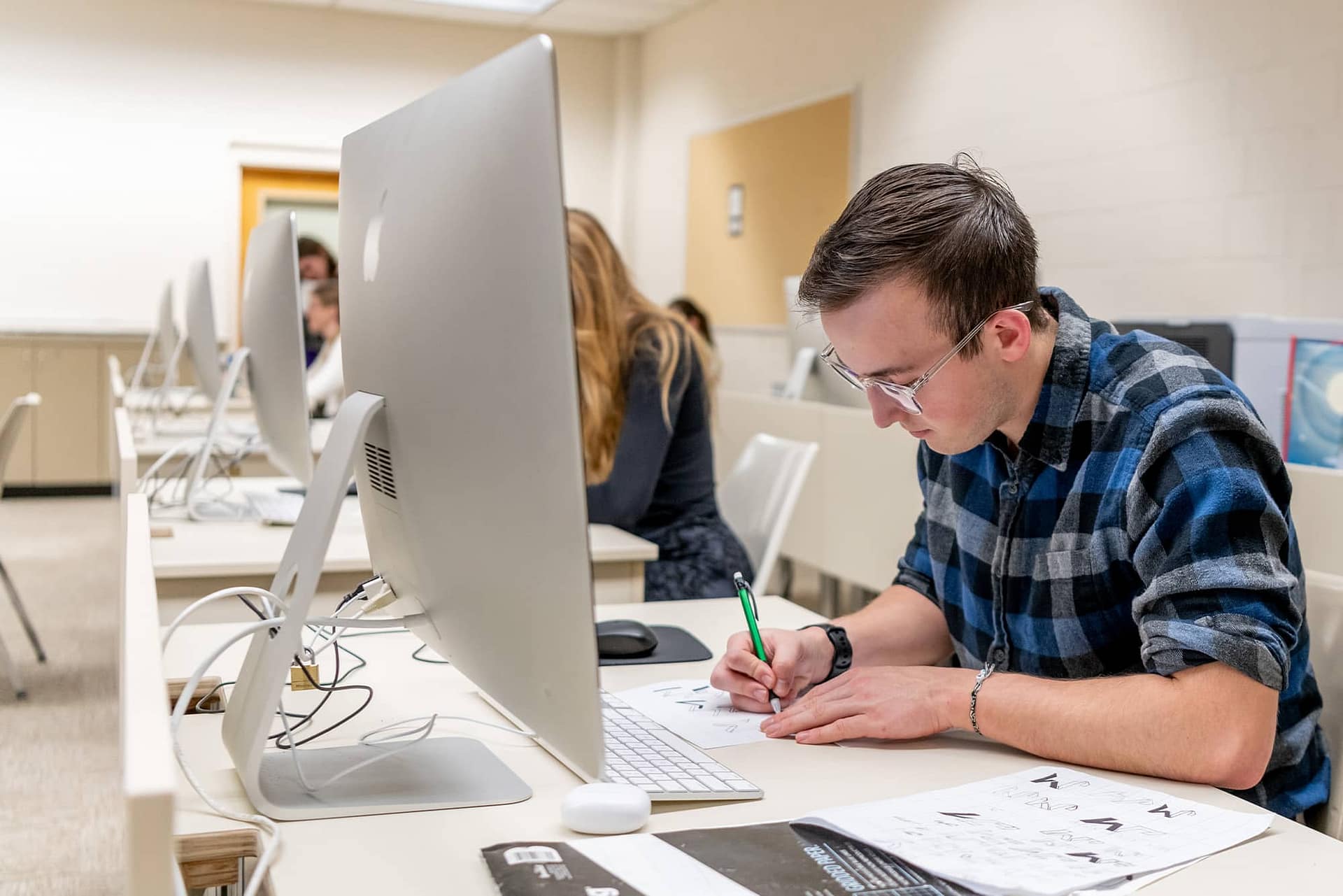
Over the past two years, Pensacola Christian College added two associate degrees to the visual arts program: a graphic design concentration and a media arts concentration. With a course load anticipated to be completed in two years, students can streamline their college careers and enter their fields even sooner. The focused format provides students with foundational knowledge and competitive skills that will help them succeed in whatever comes next.
Graphic Design
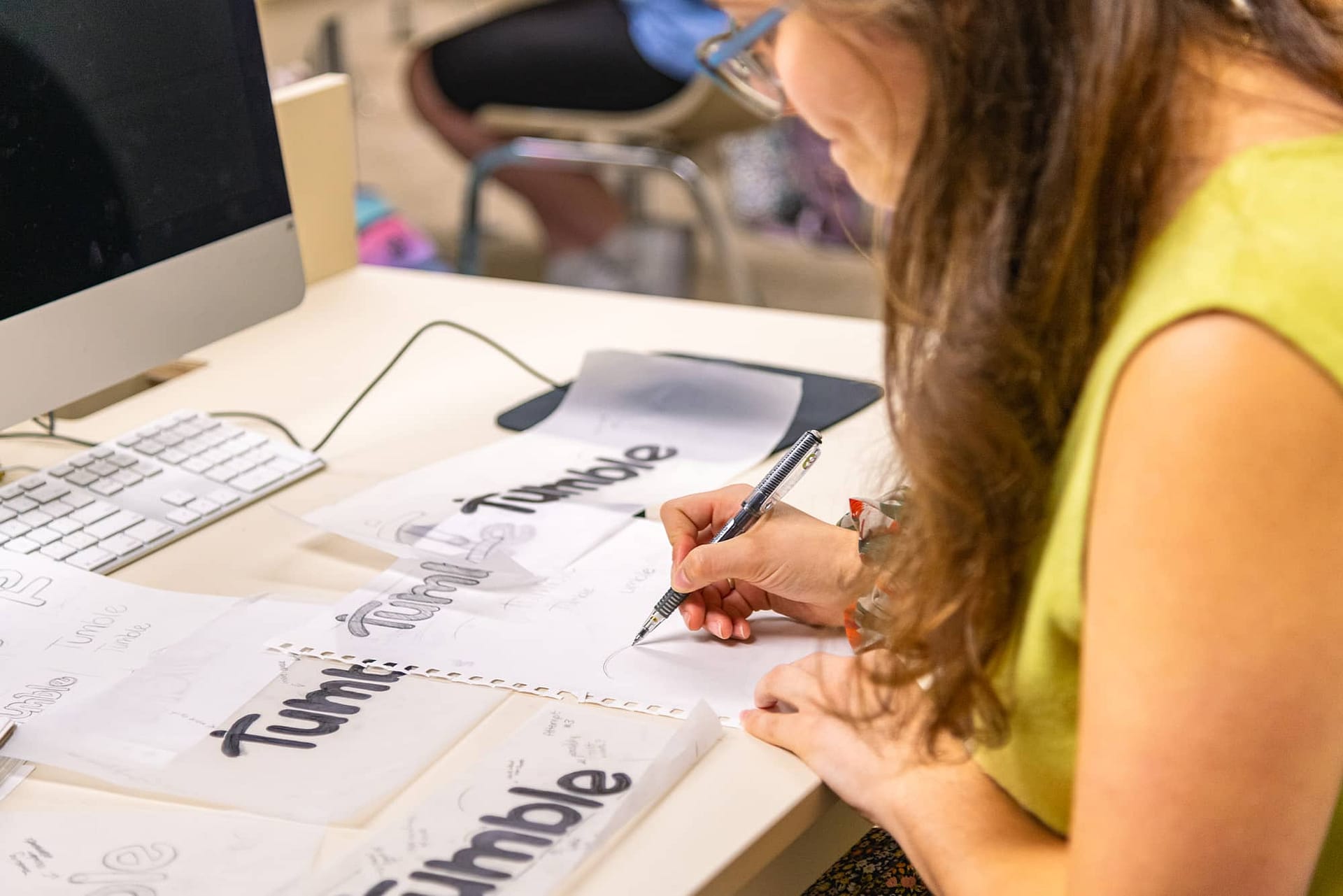
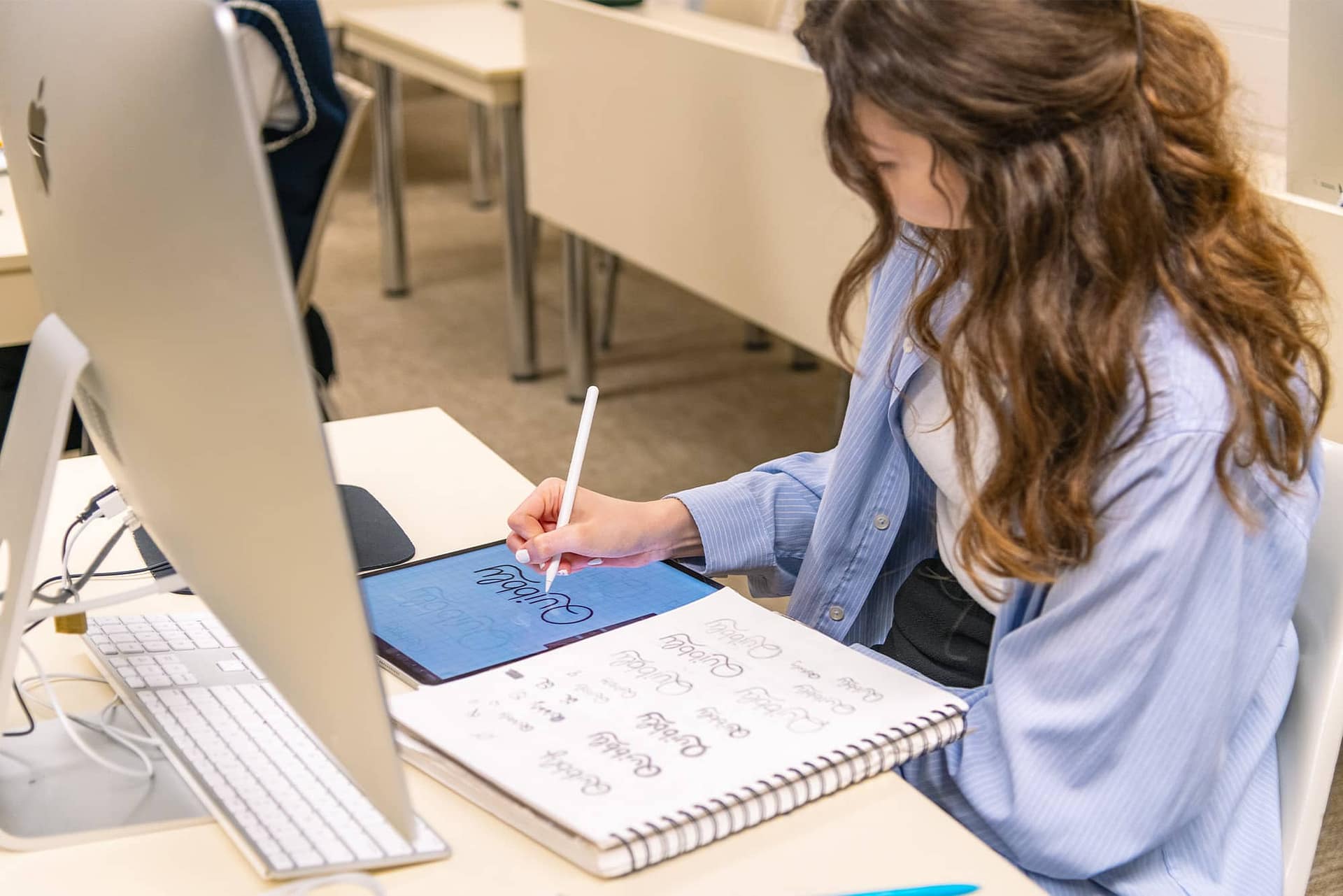
For students who enjoy experimenting with graphics, photography, social media, or web design, the graphic design concentration is an ideal starting point. From the first day, classes focus on absorbing concepts from the biblical worldview.

“From a digital design perspective, I teach my students about emerging technology and how to use it ethically,” said program instructor Elijah Principe (Graphic Design ’18, M.A. Graphic Design ’20, M.F.A. Graphic Design ’21). “Not only because it’s honest and right by our coworkers and clients, but because our actions should reflect God’s nature.”
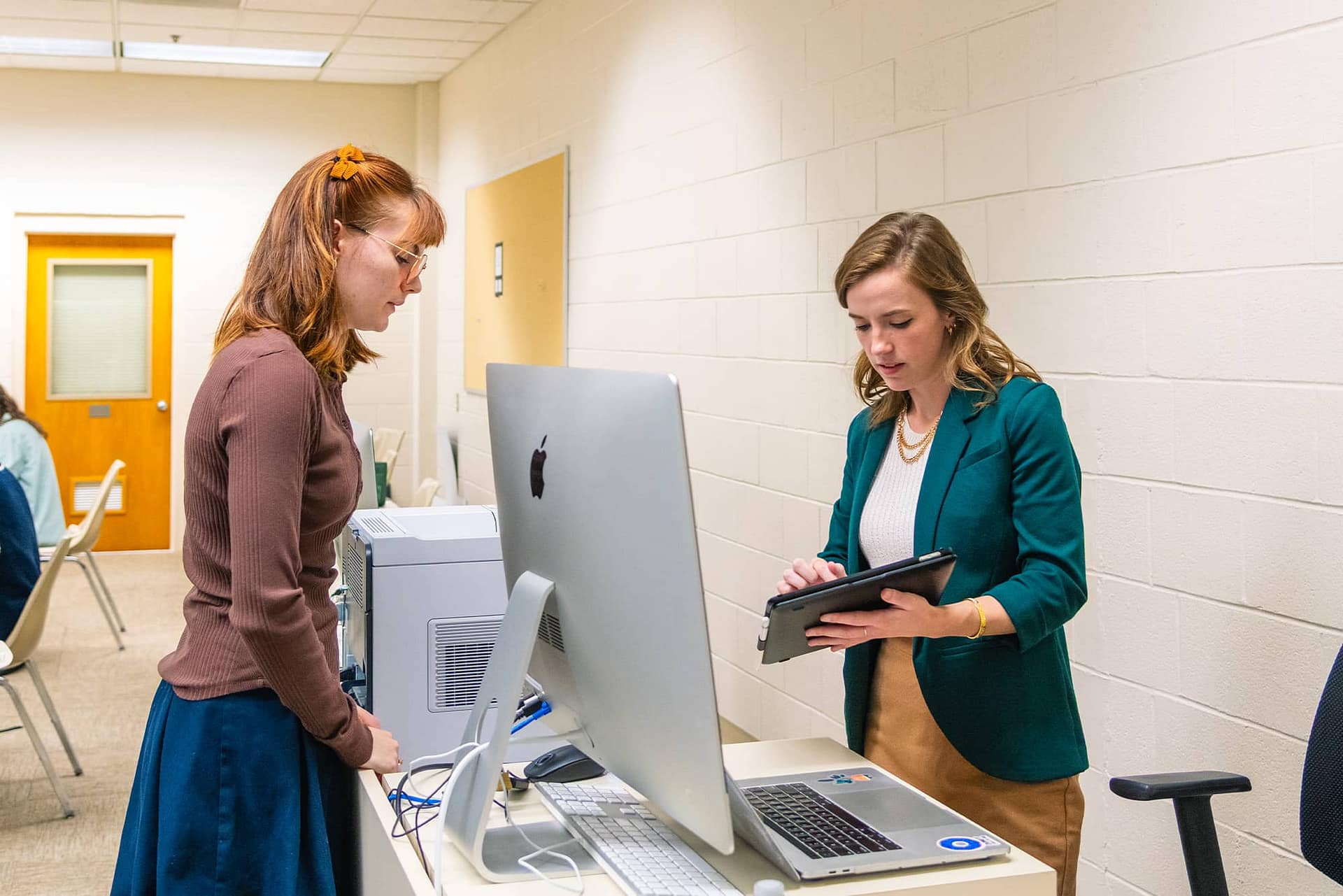
Building on the necessary basics, students actively apply the principles and elements of design they’re learning through a variety of mediums and industry-standard design programs. Using current software allows them to delve deeper into concepts and applications at a higher level. Students can choose from electives that introduce UX/UI design and touch on photo and web design. In other courses, students explore package design and print pieces and get a glimpse into animation.
“My desire is to see students not only understand how to use [design tools] but also thrive in the space and be put into positions where they can influence culture for good.”
While designers today are still seeking hard skills that technology cannot replace, this program of study prepares graduates with skills that rely heavily on human creativity, such as creative thinking, storytelling, and applying design fundamentals. Graphic design remains a skill set that continues to expand every day.
“My desire is to see students not only understand how to use [design tools] but also thrive in the space and be put into positions where they can influence culture for good,” Principe shared. “I want to see Christian leaders in the tech/design spaces to communicate in a variety of ways and aid in furthering the gospel.”
As a parent of young children, Principe understands the desire to give them the best education. From this perspective, he approaches teaching the way he’d want his children to be taught. “If my kids were my students, I know I would want teachers to invest in them and guide them,” he said. “I want to make sure each class adds value.”
Media Arts
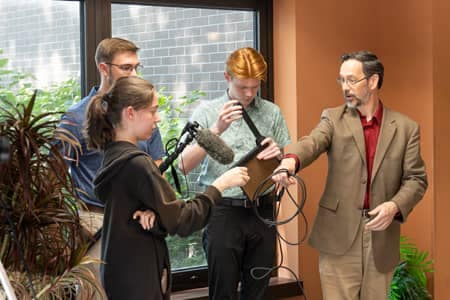
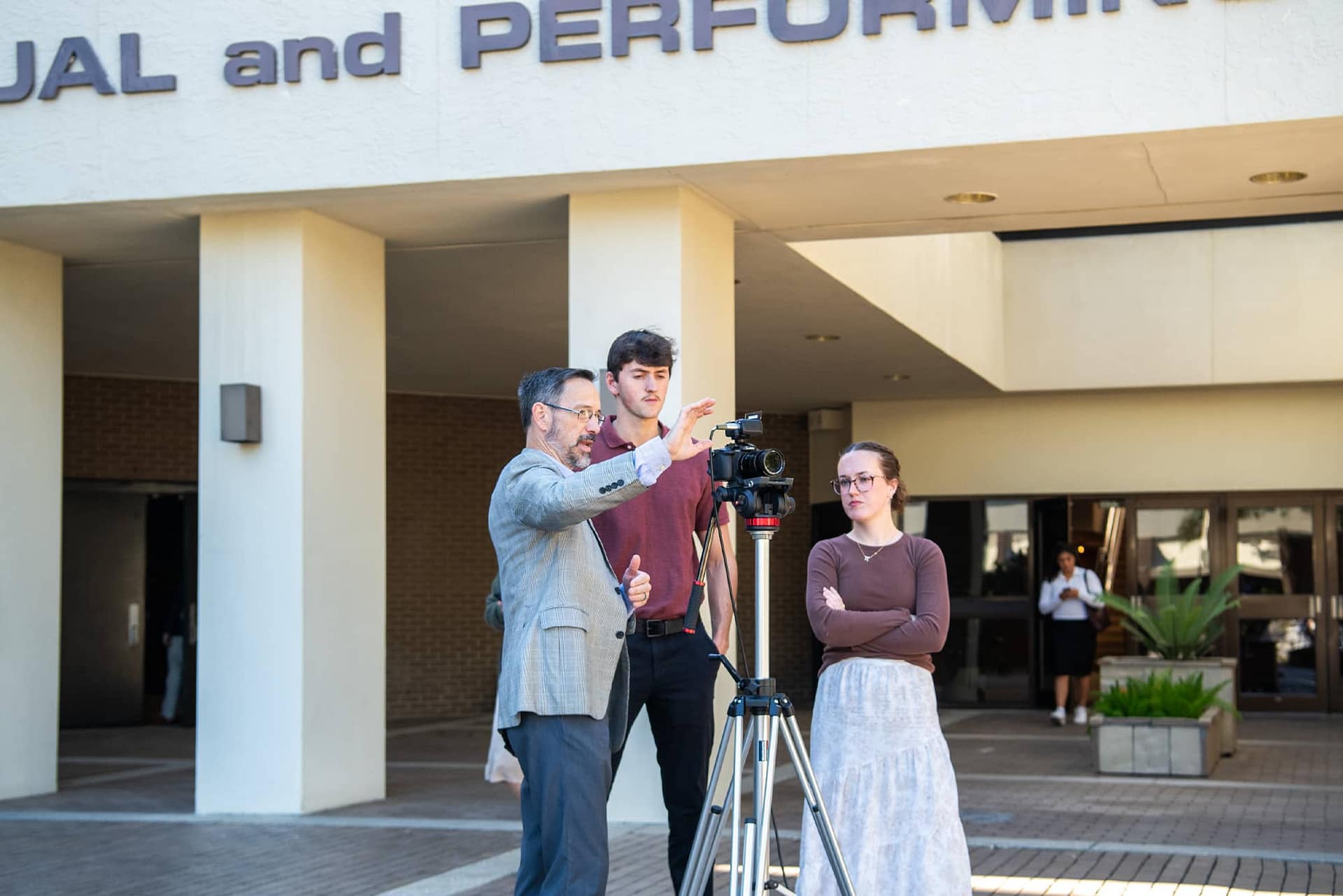
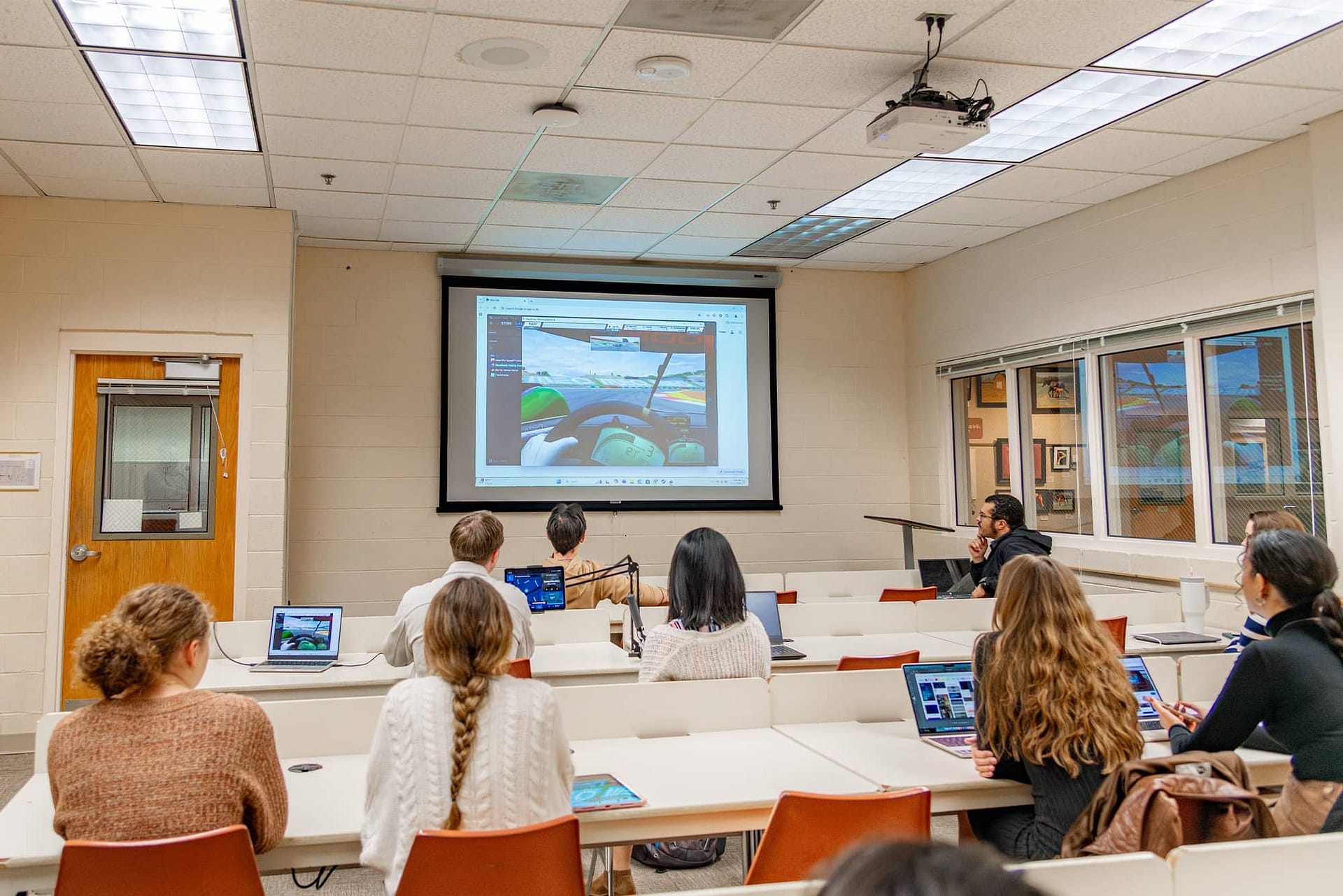
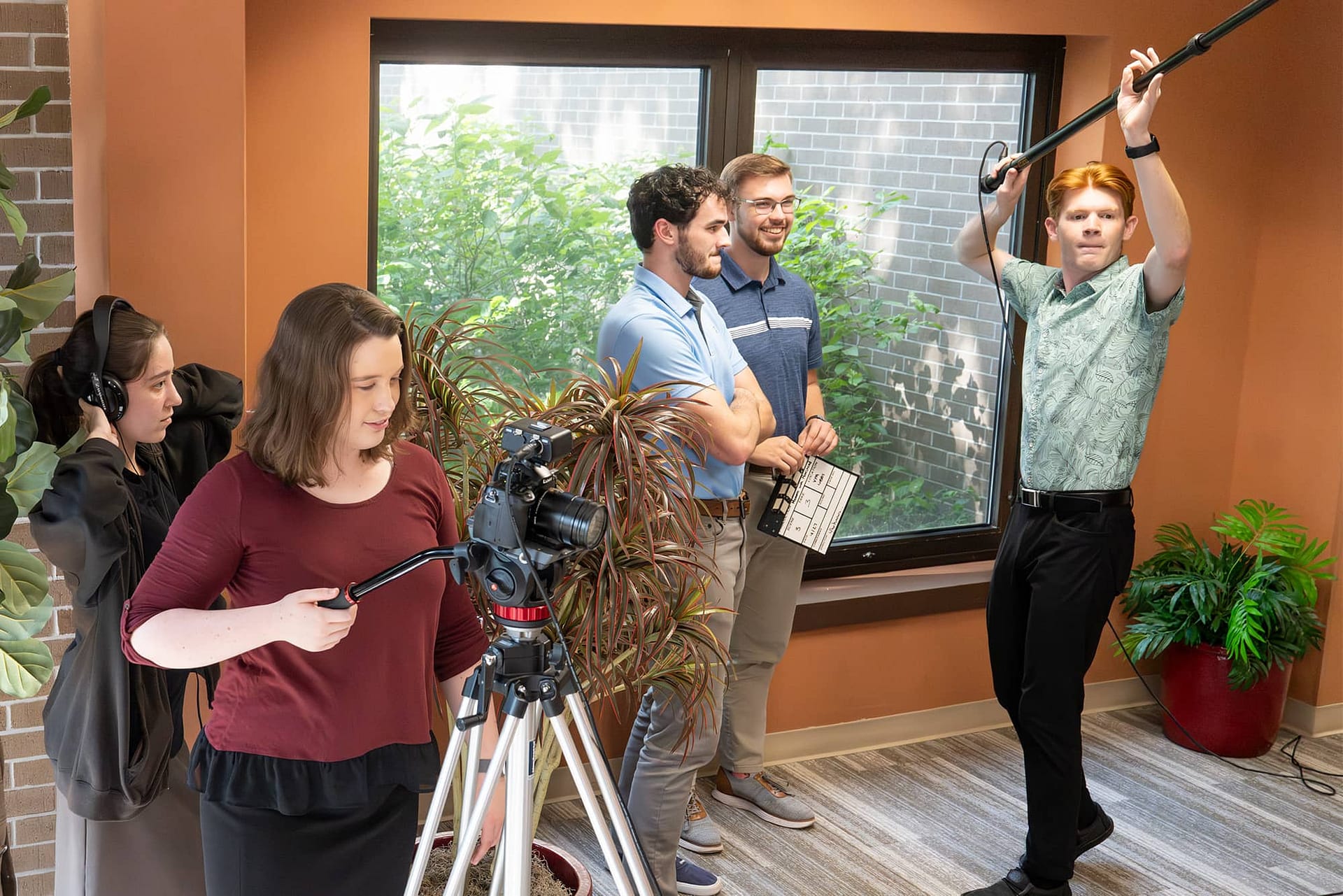
Camera operator, content creator, motion graphics animator, videographer, and video editor—these are some career possibilities to pursue after studying media arts. This two-year degree was added to introduce students to a variety of media skills they can use in a media production position.
“Media arts would be attractive to students who would like to gain media production experience, obtain entry-level employment in media production, or enhance their own social media channels,” explained Chad Morehead (Broadcasting ’01), an instructor for this program. “In two years, students are able to learn basic media production skills that apply to most media production situations.”
“From start to finish, students would touch every part of the production pipeline.”
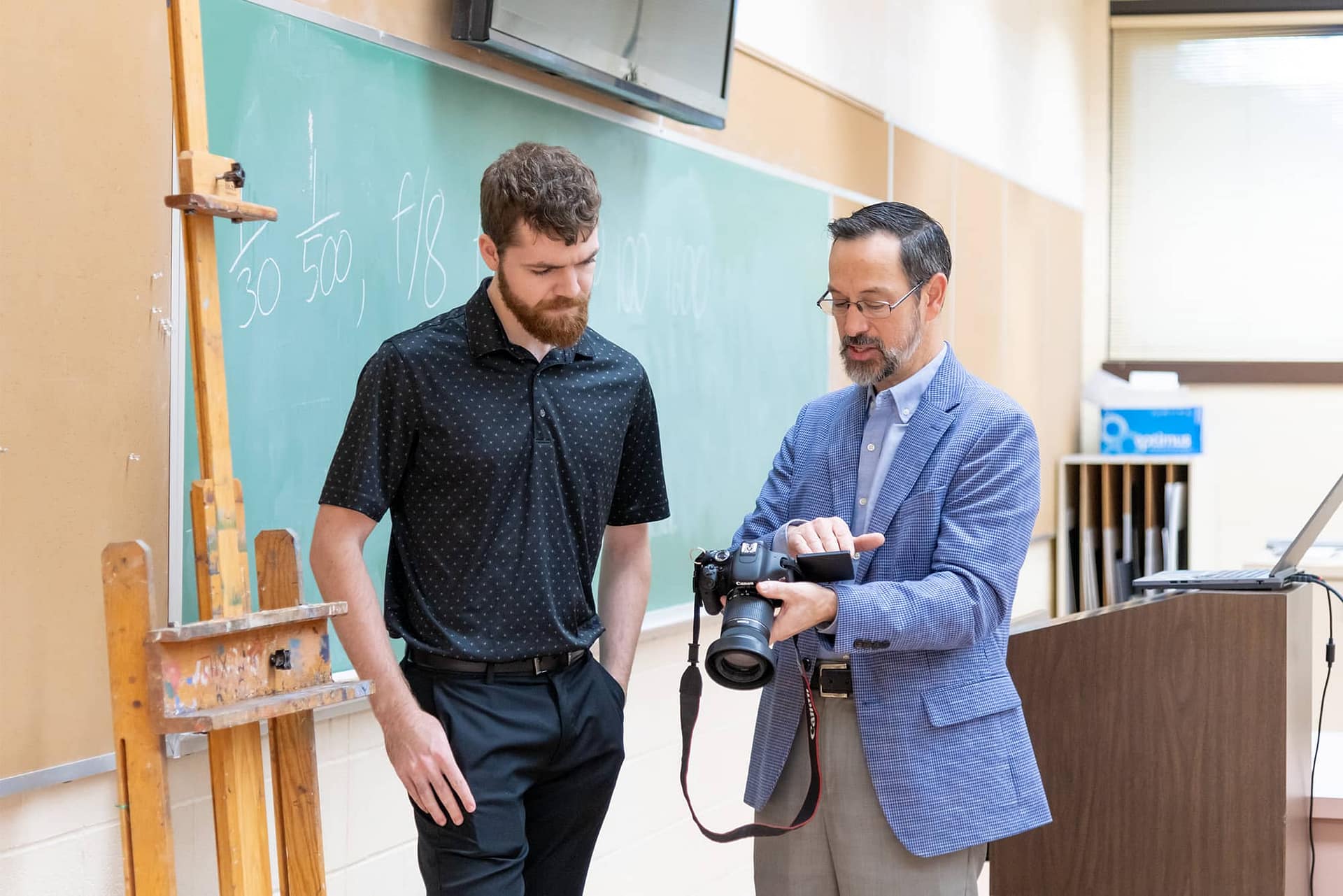
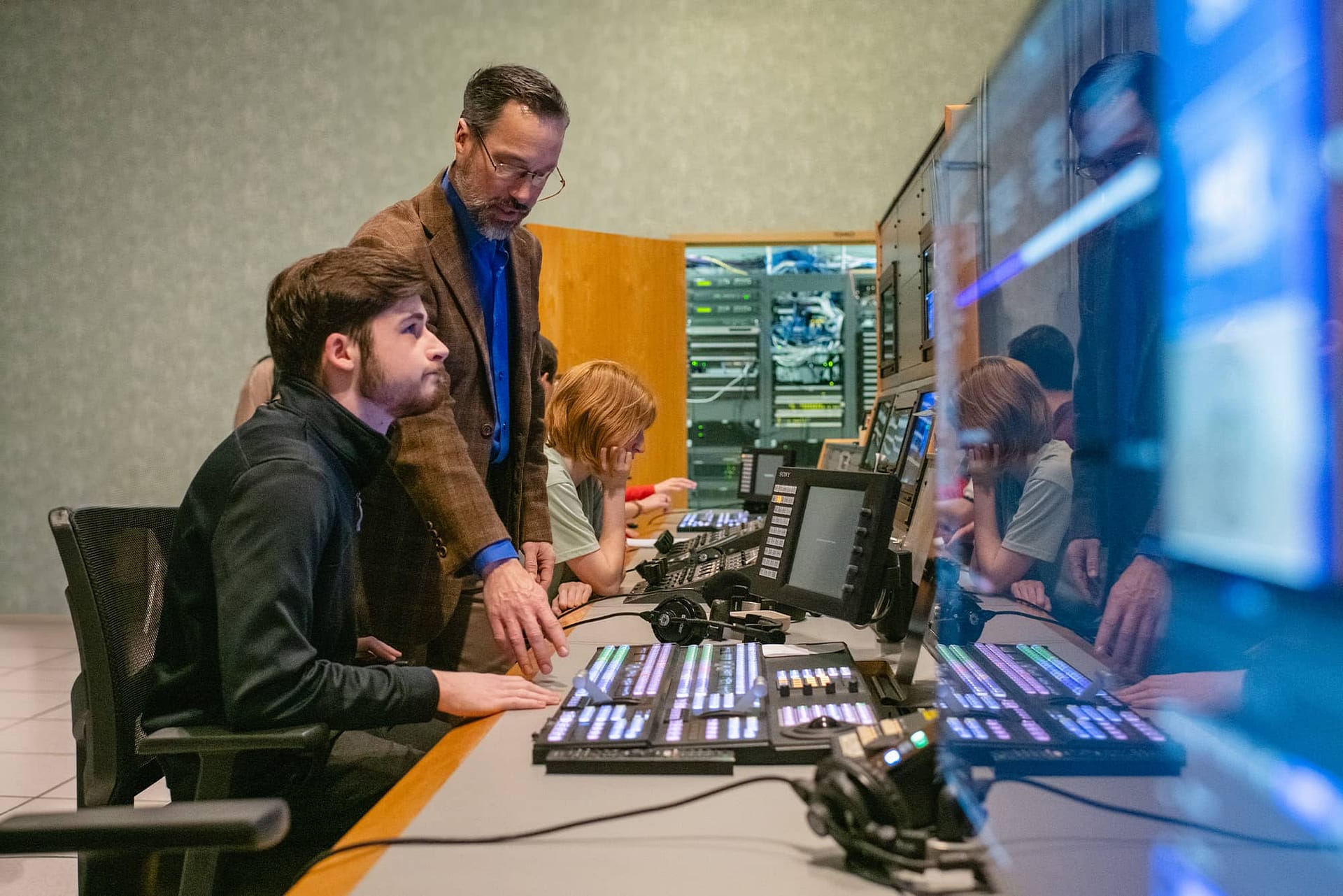
Each semester, students take design and media classes and increase their technical skills by completing practical, hands-on projects. As they apply what they learn, they’re following a creative process that will benefit them long into the future. Students will complete assignments, such as audio podcasts, video productions, motion graphics projects, and photography, while using industry-standard software and equipment.
“From start to finish, students would touch every part of the production pipeline,” said Greg Hewitt (Commercial Writing ’03, Art ’06), chair of the Visual Arts Department. “In media art, they are doing some graphic design, touching web design very lightly, and getting into animation, like motion graphics, photography, video, and storytelling. Students can create their own content, whether in front of or behind the camera. They’ll be able to edit their own footage and mix audio in with it.” These kinds of skills could get a graduate’s foot in the door at a church or business, with room to grow with the employer’s needs.
The Streamlined Focus
These programs were built to blaze a clear path for graduates to enter the workforce or continue their studies with a newfound vision of their interests. “If somebody really loved what they’re doing and decided to continue, they could seamlessly do that,” said Hewitt. “The focus was to give them our foundational coursework, touch on industry-standard software, and have enough to be competitive when looking for an entry-level position.”
“Time is important to families, and shorter timelines are what some are looking for.”
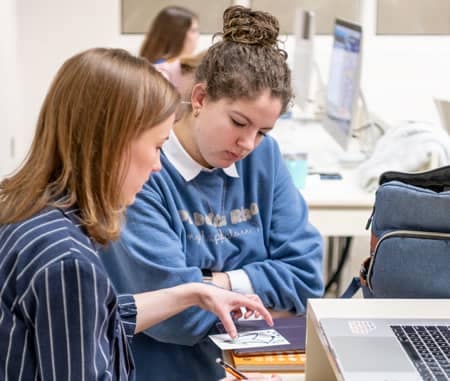
At PCC, the first semesters in either A.S. degree are heavily focused on foundational skills. After students have absorbed design concepts and principles, they have the opportunity to exercise this knowledge through course assignments. Being able to apply these techniques in real time often opens students’ eyes to what they truly love to do. Then they’re positioned to segue into their first job or further their education with a 4-year degree.
“Time is important to families, and shorter timelines are what some are looking for,” added Hewitt. “Two years is not that long. Here, we have a community of Christian creatives built by people who love what they do and love the Lord. Our exceptionally skilled teachers love their students, are constantly learning new things, are active and engaged in their fields, seeing trends, and recognizing the need for good, creative thinkers who are Christians. And they’re here, ready to pour into the students who come.”